September 15, 2026
Hearing unusual sounds when arriving home can feel concerning. Your residential garage door opens and closes many times every year, handling daily trips to work, school, and errands. Over time, constant movement causes mechanical components to loosen or wear down slowly. Changing weather conditions throughout the year also affect metal clearance, causing seasonal shifts in operational noise. Recognizing unusual garage door noises helps you catch small mechanical problems before they turn into major structural failures. Taking time to listen to your system during daily operation prevents unexpected disruptions to your household routine and keeps your home secure.
Listening to Daily Operations
Every overhead entry system makes a gentle hum during normal operation. Electric openers use motorized gears to lift heavy panels along metal side tracks smoothly. When all mechanical components remain balanced and clean, the movement stays relatively quiet. Learning the normal operating sounds of your system allows you to notice subtle acoustic changes right away. Early detection gives you time to address minor wear before parts break down completely, saving you time and avoiding unnecessary stress.
Recognizing Warning Signals
Sudden changes in operational sounds usually indicate that hardware needs immediate attention. High-pitched squeals suggest dry bearings inside the rollers, while heavy grinding points to worn motor gears or misaligned tracks.
Loud popping sounds often signal high-tension spring issues that require immediate professional care. Addressing these auditory clues early prevents sudden breakdowns while protecting your family members from safety hazards. Staying proactive ensures that your entry system performs dependably through every season.
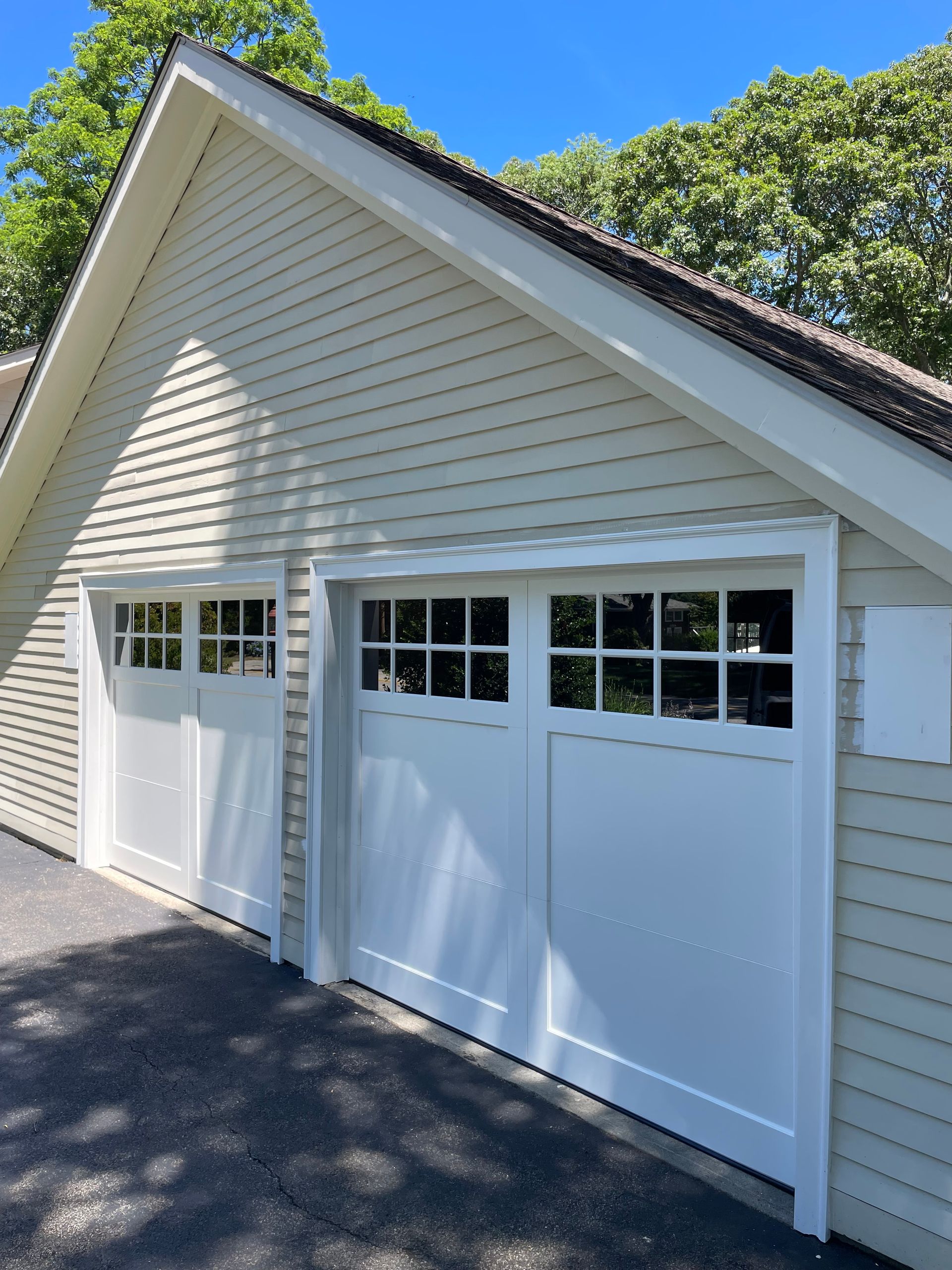
Upgrading an aging entry system offers remarkable visual and financial value for your home. According to Zonda, upgrading a home exterior with a garage door replacement can offer a surprising 268% return on investment. Replacing worn equipment enhances overall curb appeal while ensuring smooth, quiet performance every single day.
Troubleshooting Screeching and Squeaking Noises
High-pitched screeching often startles homeowners during early morning departures. This sharp sound usually occurs when metal components rub together without adequate protective lubrication. Friction builds up rapidly along dry metal surfaces, causing loud squeals that echo throughout your neighborhood. Dry hinges often produce a rhythmic chirping noise as the panels bend along the curved section of the track. Addressing these sharp noises keeps your morning routine peaceful and protects internal components from friction damage.
Lubricating Moving Components
Lack of proper lubrication causes the vast majority of high-pitched squeaks and squeals. Metal hinges, steel rollers, and lift cables require regular care to glide smoothly along their pathways. Applying a silicone spray along the track prevents unnecessary friction across your door components. Avoid using heavy grease or thick household oils, as these sticky substances attract outdoor dirt and dust that can clog the mechanism over time. Clean, lightweight lubricants keep moving parts gliding without creating messy buildup inside the tracks.
Inspecting Worn Rollers
Rollers guide individual panels smoothly along side tracks during every open and close cycle. Standard steel rollers gradually wear down over years of use, losing their round shape and developing rough, uneven edges. Upgrading to nylon rollers with sealed ball bearings reduces operational noise significantly. Nylon surfaces roll quietly against steel tracks without needing constant oil applications, providing smooth performance through changing seasonal temperatures.
Resolving Grinding and Scraping Sounds
Harsh grinding noises indicate that heavy mechanical components are scraping against each other forcibly. This rough sound often signals serious track misalignment or failing drive gears inside the opener housing. Plastic motor gears inside the opener casing wear down rapidly when drive chains lose proper tension. Operating a system that grinds can strip internal gears and damage structural panels beyond simple repair. Taking immediate action protects the entire drive mechanism from severe wear and avoids costly component replacements.
Cleaning Track Passages
Outdoor debris easily settles inside metal tracks over months of continuous use. Small pebbles, dry leaves, and accumulated dirt create stubborn obstructions that catch rolling wheels. Wiping track interiors clean with a damp cloth restores a clear path for smooth movement. Removing debris eliminates scraping sounds while preventing unnecessary motor strain during daily cycles. Keeping tracks free of obstruction allows rollers to travel evenly without jumping off their pathways.
Aligning Unbalanced Tracks
Metal tracks must remain perfectly parallel and vertical to support proper weight distribution. A misaligned track forces the rollers to drag, causing harsh metal grinding as the garage door moves up and down. Loosening mounting brackets slightly allows trained technicians to realign the track channels precisely. Proper track alignment stops heavy scraping, reduces stress on the motor, and protects surrounding wall framing.
Addressing Rattling and Popping Issues
Rattling sounds like loose hardware shaking inside a metal frame as panels lift overhead. This vibration usually stems from loose hinge bolts or track brackets that need simple adjustments. Safety sensors positioned at the base of the track also require clean lenses to prevent sudden reverse stops that shake the frame. In contrast, sudden loud popping noises point to high-tension spring stress that demands immediate caution and attention. Understanding the source of these noises helps you take the right corrective steps.
Tightening Loose Hardware
Continuous movement generates minor vibrations during every open and close cycle. These small vibrations gradually loosen track bolts, hinge screws, and opener support brackets over several months. Inspecting these metal fasteners twice a year and tightening loose nuts with a standard socket wrench stabilizes the entire structure. Keeping hardware secure eliminates annoying rattles, prevents panel sagging, and keeps the door moving in a straight line.
Checking Torsion Springs
Counterbalance springs bear the heavy lifting responsibility for your entire entry system. When springs lose tension or develop surface rust, they create loud popping noises as coils bind and release forcefully. Ignoring sudden loud pops from a garage door spring can leave your car trapped inside when you need to travel. Replacing high-tension springs requires safety tools and professional expertise to avoid serious physical injury.
Maintaining Safe Daily Operations
Establishing a simple routine inspection schedule protects your property investments for years to come. Local weather conditions like high humidity and heavy rain can accelerate track rust if maintenance gets neglected. Checking safety sensors, clearing track debris, and applying light lubrication keeps your entry system operating smoothly. Taking care of your garage door prevents sudden breakdowns during severe weather or busy family mornings when everyone needs to leave on time. Preventive maintenance keeps your entry system operating smoothly for years.
Scheduling Professional Maintenance
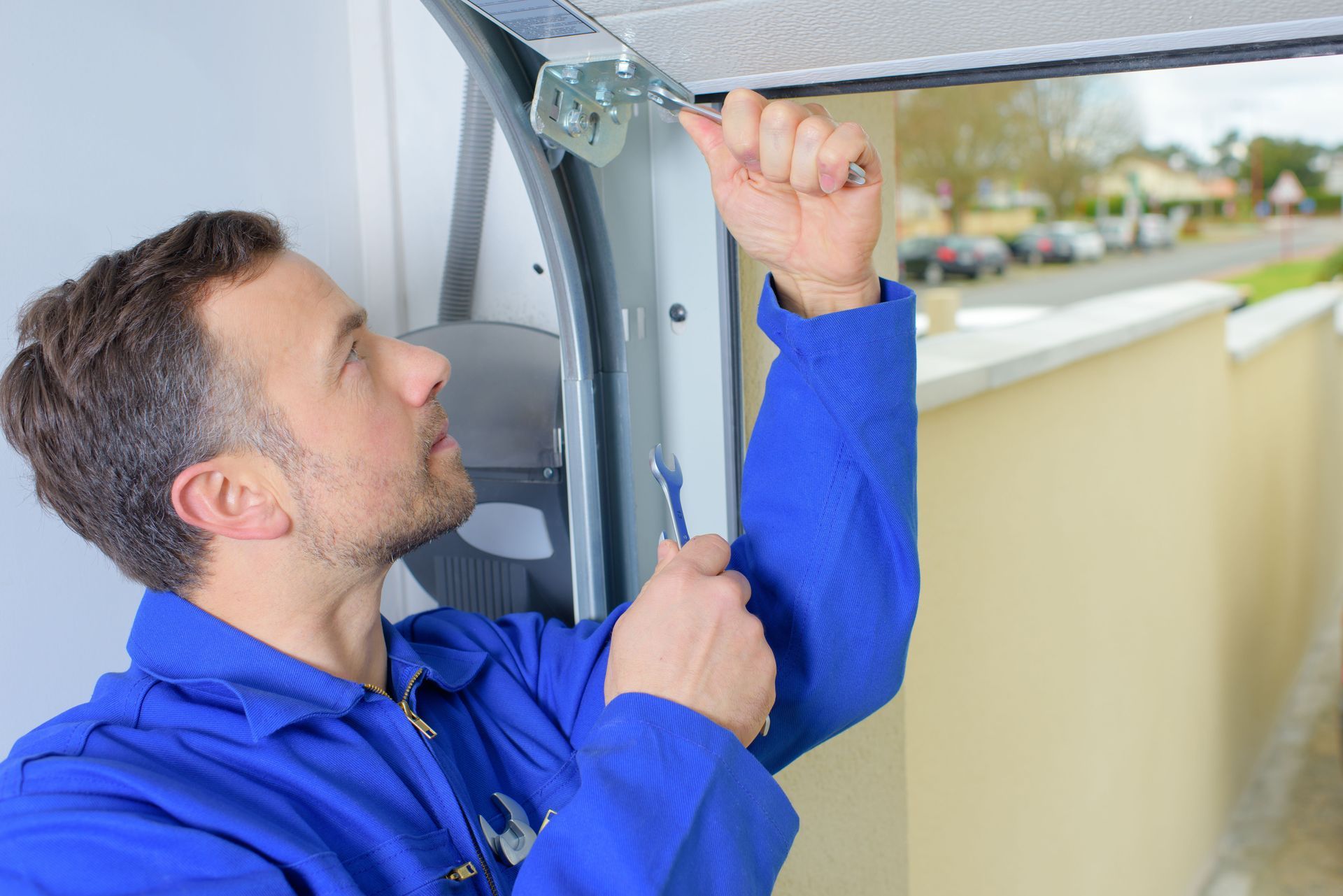
While many homeowners can handle basic cleaning and simple lubrication, complex mechanical repairs require skilled technicians. Professional tune-ups include balancing spring tension, checking cable integrity, and testing safety reverse mechanisms. Regular professional care extends the life of your equipment while protecting your household safety.
Keeping your entry system running smoothly brings comfort, convenience, and security to your daily routine. From fixing screeching rollers to performing complete system replacements, professional care ensures your overhead panels operate reliably. When unusual noises disrupt your daily routine, scheduling service for your garage door keeps your family safe.
When you need help with noise troubleshooting, panel repairs, or complete system upgrades, working with the team at Carr's Overhead Doors, Inc brings dependable skill, honest communication, and prompt service to every job. To schedule an inspection or request a repair estimate, contact Carr's Overhead Doors, Inc today.