June 23, 2026
A well-maintained garage door is crucial for the overall functionality and safety of a home. Regular maintenance not only prolongs the life of your garage door system but also ensures optimal performance. This article explores the numerous benefits of regular garage door maintenance through in-depth analysis across various aspects.
Prevention of Unexpected Breakdowns
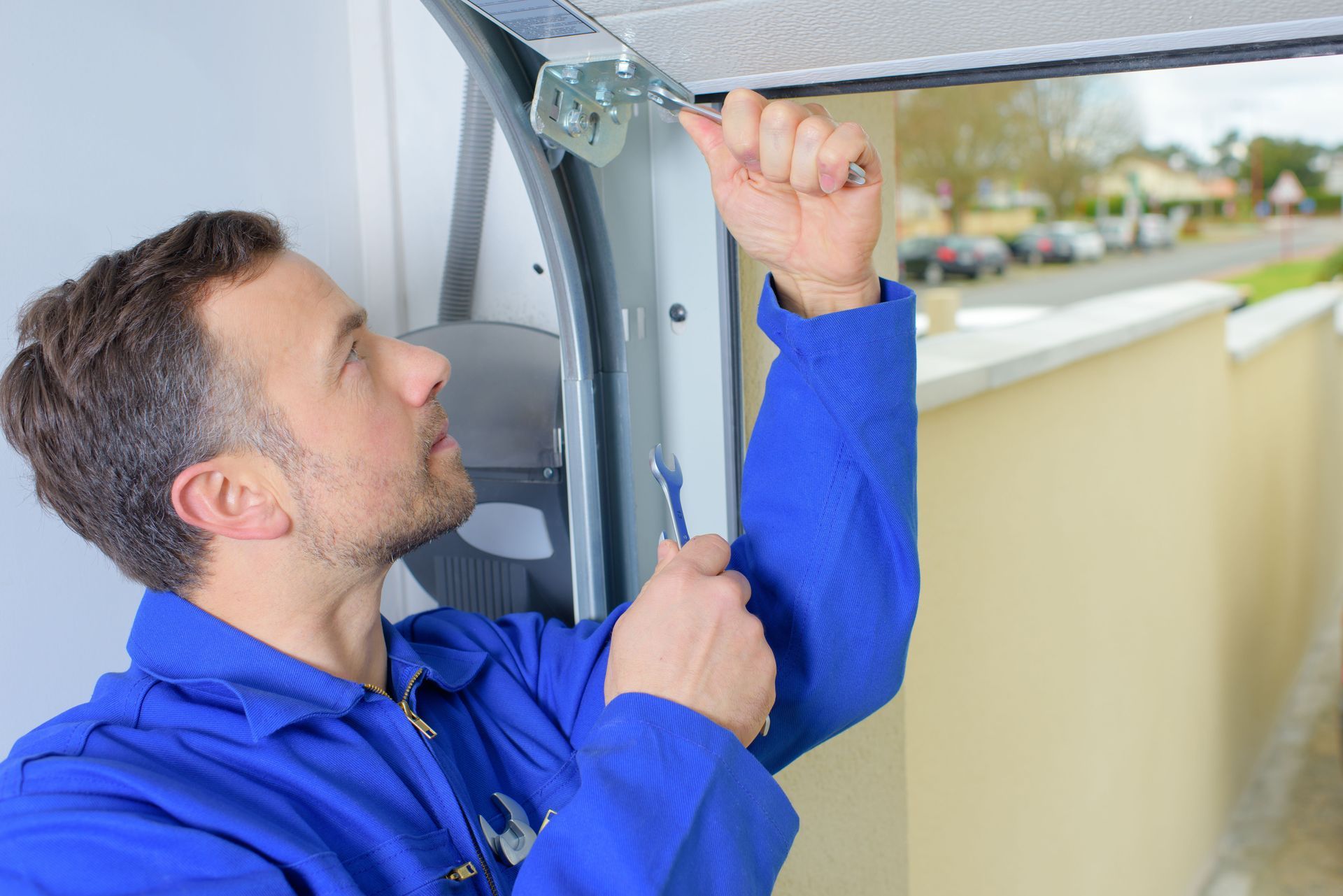
Regular maintenance is key to avoiding unexpected garage door breakdowns. By routinely inspecting the components, homeowners can identify wear and tear before they lead to a malfunction. The average garage door opens and closes three to five times a day, according to making it subject to routine strain, according to GarageOverhaul. Addressing issues such as frayed cables or weakened springs during maintenance can prevent sudden failures. This preemptive care ensures safety and reliability in daily operation.
Preventive maintenance provides an opportunity to replace parts before they fail. By doing so, homeowners can avoid the inconvenience and potential hazard of a garage door stuck mid-operation. Regular upkeep also allows for timely lubrication of moving parts, reducing the friction that can lead to mechanical failure. With scheduled inspections, small issues are less likely to escalate into significant problems. This proactive approach reduces the likelihood of emergency repairs.
Aside from the inconvenience of a malfunction, unexpected breakdowns can also be dangerous. If a door fails to open entirely or closes unexpectedly, it can pose risks to inhabitants and property. Ensuring that safety mechanisms, like auto-reverse features, function correctly is a crucial component of regular checks. Such maintenance practices help guarantee that the door operates safely, contributing to peace of mind for homeowners. Regular maintenance is essentially a safety investment.
Avoidance of Potential Injuries
Regular maintenance of garage doors significantly minimizes the risk of personal injuries. Misalignments or faulty parts can lead to doors unexpectedly closing or failing to respond to safety sensors, creating hazardous situations. Maintenance checks ensure that the garage door's sensor systems are operational and responsive. By verifying and adjusting these systems, accidents involving children, pets, and vehicles can be avoided. Regular checks facilitate the smooth functioning of safety mechanisms crucial in preventing such occurrences.
Attention to detail during maintenance visits helps pinpoint potential hazards. Issues like broken springs or worn cables, if not addressed, can lead to dangerous outcomes under tension. By identifying and rectifying these problems early, the likelihood of components failing while in use decreases substantially. Maintenance routines ensure the safe and stable operation of the door, safeguarding against injury. Moreover, consistently updated maintenance logs provide a clear history of interventions, ensuring all safety issues are documented and resolved.
The weight and size of a garage door amplify the risks of minor malfunctions leading to severe injuries. Ensuring components like the automatic reverse feature are intact is vital for preventing such risks. Regular testing and calibrations, necessary parts of maintenance, assure homeowners of the door's responsiveness and reliability. Preventive checks focus on sharpening the system's safety and reducing liability risk. Ultimately, routine maintenance is synonymous with an enhanced safety protocol.
Improved Safety Features
Modern garage doors are equipped with advanced safety features designed to protect users and their possessions. Regular maintenance ensures these features, such as photo-eye sensors and emergency release mechanisms, remain fully operational. Calibrating these features through maintenance checks keeps them functioning at their best. A well-maintained system is more likely to respond accurately in critical moments. This reliability is essential in maintaining a secure and safe home environment.
The auto-reverse function, a crucial safety feature, can prevent garage doors from causing injuries. During maintenance, the effectiveness of this feature is tested and recalibrated if necessary. Ensuring this mechanism is in top condition prevents doors from closing on people or objects accidentally. Regular updates to software or firmware, part of modern maintenance, also ensure these features integrate smoothly with other security systems in the home. Maintenance thus directly enhances the door's protective capabilities.
Keeping up with advances in safety technology is pivotal for modern garage doors. Incorporating newer technologies, like motion detection and alarm systems, requires regular system updates check-ins. These updates are typically covered during maintenance sessions, ensuring compatibility and full functionality. By staying current with technological improvements, homeowners bolster the effectiveness of their garage doors' safety features. Maintenance ensures both the preservation and enhancement of these vital mechanisms.
Regular Safety Inspections
Conducting regular safety inspections is a vital component of garage door maintenance. These inspections focus on identifying potential risks before they can develop into serious problems. They involve careful examination of the door's moving parts, safety mechanisms, and alignment. By identifying hazards early, homeowners reduce the risk of accidents and malfunctions significantly. Consistent inspections are a preventive measure that ensures ongoing safety for users.
Regular safety inspections also allow for the testing of the emergency safety functions of the garage door. Features such as force settings and sensor reactions are evaluated and adjusted to ensure optimal performance. This process includes simulating scenarios to check the door's response, an essential practice in maintaining a safe operational environment. Inspections serve as a quality assurance measure, confirming that safety standards are met comprehensively. As a result, the integrity of the entire garage door system is maintained.
Over time, natural wear can compromise even the most robust garage door systems. Inspections during maintenance appointments reveal changes or deterioration that may not be immediately apparent. This information is used to guide repairs and replacements, addressing issues proactively. By integrating these inspections into regular maintenance routines, homeowners ensure their garage door remains a safe barrier. Maintaining its safety integrity is an ongoing process that's well-supported by professional oversight.
Minimal Wear and Tear
Garage doors are subject to constant use, making them vulnerable to wear and tear. Regular maintenance helps in minimizing the impact of this wear by addressing small issues before they turn into significant problems. By checking and maintaining tension in springs and ensuring the alignment of tracks, the door's operational load can be managed effectively. This preventive approach reduces the impact of routine operations, thereby extending the door's lifespan. Ultimately, a well-maintained garage door functions efficiently and serves the home longer.
Routine maintenance also tackles the stresses that arise from continual use. This includes potential misalignments, loosened components, and material degradation. Promptly addressing such concerns decreases stress on the system's components, preventing more costly failures. Overall, homeowners who regularly maintain their garage doors experience fewer issues that necessitate repairs or replacements. Consequently, the lifespan of the garage door and its components is extended significantly.
Preventive care is essential in managing the inevitable wear and tear. Regular evaluations facilitate timely interventions, preventing long-term deteriorations from emerging unnoticed. Through consistent upkeep, tension balances, and operational loads are optimized, minimizing undue strain. This proactive care allows each component to perform at its best for longer periods. Extended longevity results in reduced replacement cycles and cost savings over time.
Corrosion Prevention
Corrosion is a major concern for components in garage doors, especially those made from metal. It can weaken parts, leading to failures that may compromise the overall system. Routine maintenance includes inspections to identify early signs of rust and other forms of corrosion. Any identified issues are addressed immediately, often through the application of anti-corrosion treatments. By applying preventive measures, the integrity and functionality of these components are maintained over the long term.
Moreover, environmental factors like humidity and exposure to the elements can exacerbate corrosion. Regular maintenance assesses these vulnerabilities, often recommending protective coatings or treatments to counteract these environmental effects. Through this targeted care, garage doors remain robust in varying climates and conditions. Prevention of corrosion leads to extended life for metallic components, reducing the frequency of replacements. This proactive approach is crucial for sustaining a long-lasting, functional garage door.
Consistent checks and treatments against corrosion form an essential part of garage door maintenance. These efforts help avoid costly replacements and downtime that a corroded part might necessitate. By staying ahead of corrosion issues, the entire system benefits from improved performance and reliability. Furthermore, addressing corrosion concerns can prevent cascading failures, where one failing part leads to others.
Regular garage door maintenance is not an unnecessary luxury; it's a direct investment in your home's security and your family's safety. By treating your garage door system with the same proactive care as your vehicle, you ensure it remains a smooth, quiet, and dependable boundary for decades to come. Contact Carr's Overhead Doors, Inc today to get started.